




When engineers default to aluminium for a small part, it is usually not because aluminium is best. It is because aluminium feels safe.
For parts under roughly 50 grams, aluminium die casting often triggers a chain reaction. Extra draft compromises geometry. Tiny features wear. Cosmetic surfaces need blasting or coating. Threads and datums still need CNC. The part works, but it costs more than it should.
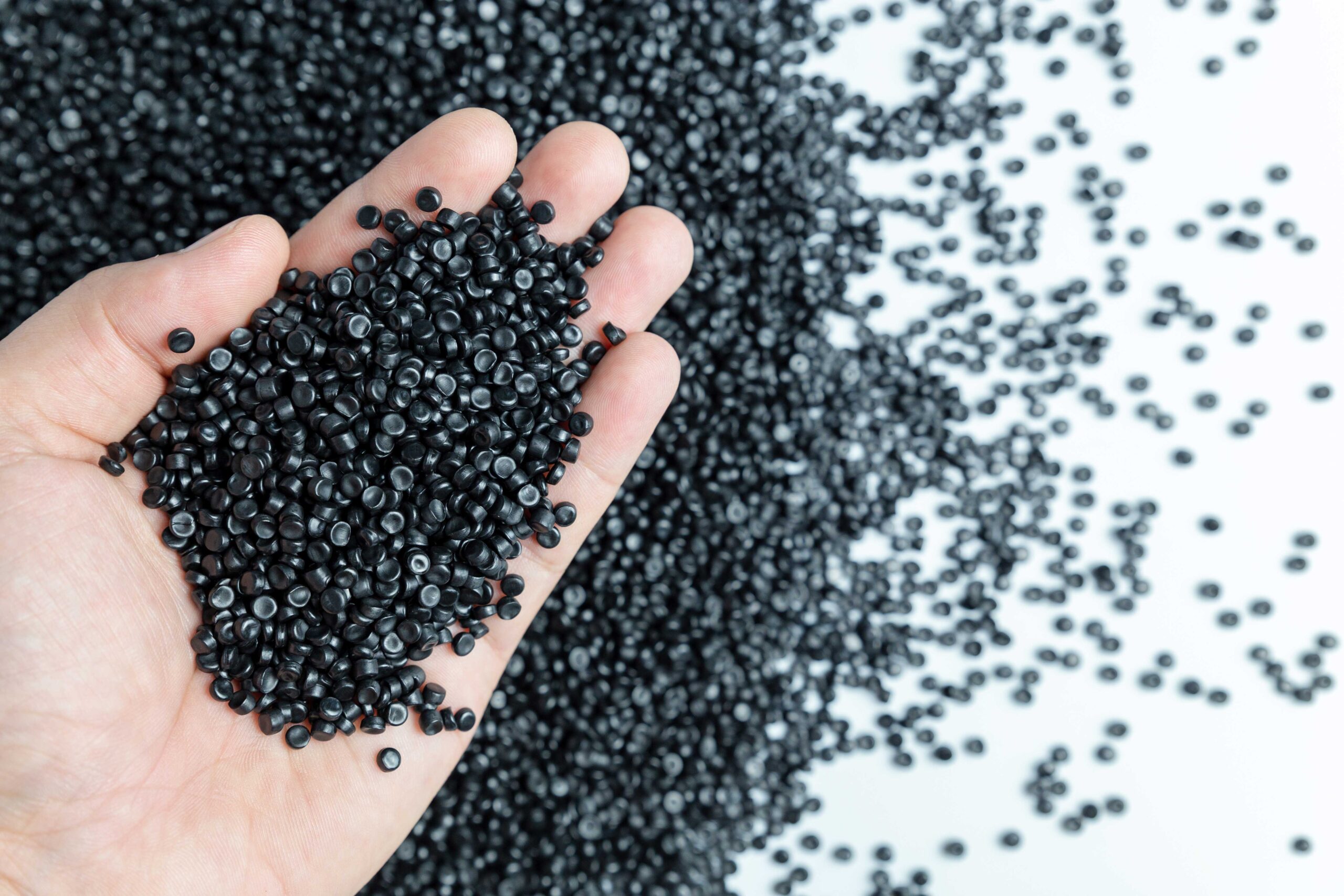
Plastic injection moulding wins when you need precision, repeatability, cosmetic finish, and fast assembly. Even better is the hybrid approach: metal only where you truly need metal.

When does plastic injection moulding beat aluminium for small precision parts
Answer capsule
Plastic injection moulding beats aluminium die casting for small precision parts when the part is non structural, under about 50 grams, needs cosmetic finish straight out of the tool, and benefits from snap fits or integrated features. In these cases, injection moulding often removes secondary CNC steps, reduces part count, and improves repeatability, especially at medium to high volumes.
Why aluminium becomes expensive on small parts
Aluminium die casting is excellent for rigid frames, heat handling, and structural brackets. The problem is the small precision part
category, where cost drivers shift.
1) Secondary machining sneaks in
On small aluminium parts, threads, sealing faces, PCB standoffs, and tight datums often need CNC. Each extra operation adds setup, inspection time, and scrap risk.
If your part needs just a little machining,
it usually needs it forever.
Internal link for this path: If you already know your part will need post machining, pair die casting with precision post processing through SSOSS Cast CNC support.
https://www.ssosscast.com/services/cnc-machining/
2) Cosmetic finish is rarely free
Many consumer facing products need a consistent surface. Plastic can come out of the mould with texture, gloss level, and logo details already done. Aluminium commonly needs blasting, anodizing, or powder coating to look consumer ready.
Internal link for finishing options:
https://www.ssosscast.com/services/
3) Weight causes downstream penalties
Even small weight increases affect shipping, vibration, and user feel. Plastic helps you cut grams without redesigning the whole assembly.
Where plastic injection moulding wins clearly
Plastic is not cheap metal.
It is a different tool with different strengths.
Cosmetic housings and covers
Injection moulding can deliver repeatable surface textures and consistent edges. You can also mold in ribs, bosses, clips, and logo features that would require extra parts in metal. Injection moulding is widely used for high volume part production because it produces consistent parts once tooling is stable.
SSOSS capability page:
https://www.ssosscast.com/capabilities/plastic-injection-moulding/
Snap fits and part consolidation
If your aluminium part is currently a bracket plus two screws plus a cover,
it is a candidate for moulded snap features. Less assembly time is usually the fastest cost reduction in Singapore bound supply chains.

Dimensional repeatability for small features
Plastic tools can hold fine details across many cycles, especially when the design uses correct draft and uniform wall sections.

The hybrid approach that beats both
The best products do not pick plastic or metal. They combine them.
Insert moulding and overmoulding, in plain language
You place a metal insert (often zinc die cast or machined) into the injection mould. Then you inject resin around it so the part becomes one integrated component. This is commonly called insert moulding.
This approach is ideal when you need metal in only a few locations, such as threaded points, grounding, load paths, or EMI related geometry.
SSOSS Cast is built for this type of mixed process work because you can source both metal and plastic from one place.
About SSOSS Cast services and coverage: https://www.ssosscast.com/about-us/
Full services menu: https://www.ssosscast.com/services/

Tolerances and thermal expansion, the real failure mode in Singapore conditions
The most common hybrid failure is not strength. It is stress over time.
Plastic expands more than aluminium with temperature changes. ABS has a much higher linear thermal expansion coefficient than aluminium. Typical published values show ABS in the range of about 72 to 108 (10⁻⁶ per °C), while aluminium is around 23 (10⁻⁶ per °C).
What this means in real design terms is simple.
If plastic is moulded too tightly around a large aluminium insert, the plastic is forced to fight
the metal every time the temperature changes. That can create cracking, warping, or long term stress marks, especially around corners and bosses.
Practical design rules we use to avoid the thermal crack
- Use a controlled clearance zone between insert and wall
- Add mechanical interlocks like knurling, undercuts, grooves
- Avoid sharp metal corners touching plastic
- Design ribs to reduce sink and stabilize walls
If you want the part to survive shipping, storage, and use cycles, treat thermal expansion as a design requirement, not an afterthought.

Compliance and standards that influence material choice
Even small parts
get blocked by compliance if you choose the wrong resin or enclosure approach.
Flammability: UL 94
For electronics housings, many projects specify UL 94 flammability ratings. UL 94 is a plastics flammability testing standard used to classify how plastics behave when exposed to flame.
If your product needs V 0 or similar, material selection becomes a core decision.
Ingress protection: IEC 60529 IP ratings
If your enclosure needs dust or water protection, IP ratings are defined by IEC 60529.
This affects gasket design, wall stiffness, and screw boss design. Plastic often makes it easier to integrate sealing features, but you need correct tooling and shrink planning.
Restricted substances: RoHS
If you manufacture electrical and electronic equipment for regulated markets, RoHS compliance restricts certain hazardous substances. The European Commission maintains RoHS rules and guidance.
This impacts material declarations and sometimes plating choices on metal inserts.
A practical decision checklist for engineers
Plastic injection moulding is usually the better choice when most of these are true:
- The part is non structural or lightly loaded
- The part needs cosmetic finish out of tool
- The part benefits from clips, snap fits, or integrated features
- You want to reduce screws and assembly steps
- Volume is steady enough to justify tooling
- Heat dissipation is not the main job of the part
Aluminium die casting is usually better when these are true:
- The part is structural or carries torque
- You need heat dissipation through the body
- You need continuous metal shielding and grounding
- The geometry is thick, rigid, and simple
If you are unsure, hybrid design often wins.
FAQs engineers and buyers ask before switching to plastic
1) Can plastic hit tight tolerances like aluminium
Yes, for small parts and stable wall thickness, injection moulding can hold tight tolerances consistently. The key is tool quality, gating, cooling balance, and designing the part for moulding rather than copying a metal design.
2) What plastics are most common for small electronics housings
ABS and PC ABS blends are common because they balance toughness, surface finish, and process stability. If flame performance matters, specs often include a UL 94 rating.
3) Does plastic eliminate machining completely
Often, yes. Especially when you use moulded snap features, moulded bosses, and insert moulded threads. If you still need machining, it is usually minor and predictable.
4) When should I use metal inserts in a plastic part
Use inserts when you need repeated fastening, strong threads, grounding, or load paths. Insert moulding is a common injection moulding technique where pre made components are placed in the mould and plastic forms around them.
5) What is the biggest hybrid design risk
Thermal expansion mismatch. ABS expands far more than aluminium, so you must design clearance and interlocks correctly.
6) How do IP ratings change the design
IP requirements come from IEC 60529. They influence sealing strategy, screw compression zones, and enclosure stiffness.
7) Does switching to plastic help RoHS compliance
RoHS is about restricted substances in EEE supply chains. Material choice and plating systems still matter, especially for metal inserts and coatings. Use documented declarations aligned with RoHS guidance.
8) Who should review my design before I commit to tooling
A manufacturer that can assess both moulding and metal integration. SSOSS Cast positions itself as end to end across die casting, injection moulding, CNC, and finishing, which helps you avoid a handoff gap
between suppliers.
Recommended internal links to place in the article
- Plastic Injection Moulding capability page
https://www.ssosscast.com/capabilities/plastic-injection-moulding/ - Services overview (single supplier positioning)
https://www.ssosscast.com/services/ - About SSOSS Cast (entity credibility)
https://www.ssosscast.com/about-us/ - Contact page (CTA)
https://www.ssosscast.com/contact-us/
Want a fast plastic vs aluminium vs hybrid
verdict on your part
If you have a small aluminium part that needs machining, uses screws, or exists mainly as a cosmetic cover, it is a strong candidate for injection moulding or hybrid consolidation.
Send SSOSS Cast your CAD and target volume. Ask for a DFM review focused on part consolidation, thermal expansion risk, and compliance requirements.
Contact SSOSS Cast here: https://www.ssosscast.com/contact-us/


